The British Driving License: A Comprehensive Guide
The British driving license is a key document for individuals wanting to run an automobile in the United Kingdom. Whether a resident or a visitor, comprehending the kinds of licenses, the application process, and the essential requirements is vital. This short article aims to provide a helpful introduction of the British driving license system, consisting of common concerns and issues drivers might have.
Types of British Driving Licenses
In the UK, there are numerous classifications of driving licenses, each accommodating various kinds of lorries. Here's a breakdown of the main types:
Provisional License
- Issued to learners.
- Enables practice driving with a skilled driver.
- Vital for taking the driving test.
Full License
- Granted after passing the driving test.
- Enables for driving separately.
- Can differ based upon car classification.
Classifications of Full Licenses
- Classification B: Cars and little vans.
- Category A: Motorcycles.
- Classification C: Large cars (over 3.5 tonnes).
- Classification D: Buses.
International Driving Permit (IDP)
- Valid for travelers or citizens with a UK license.
- Acknowledged in numerous countries when traveling abroad.
Specialized Licenses
- Includes licenses for particular vehicles like taxis or trucks, needing additional training and screening.
Application Process for a British Driving License
Acquiring a British driving license includes a series of actions. Here's a structured guide:
Eligibility Check
- Need to be at least 17 years of ages to request a full license most of the times.
- Should be a local of Great Britain.
Request a Provisional License
- Complete the application form (D1) readily available at Post Offices or online.
- Offer recognition and evidence of residency.
- Pay the charge (currently around ₤ 34 online or ₤ 43 by post).
Discover to Drive
- Enroll in a driving school or find out with an approved driver.
- Practice regular driving under the conditions set by the provisional license.
Reserve and Pass the Driving Test
- Schedule the driving theory test (to evaluate knowledge of roadway guidelines).
- After passing the theory test, book the useful driving test.
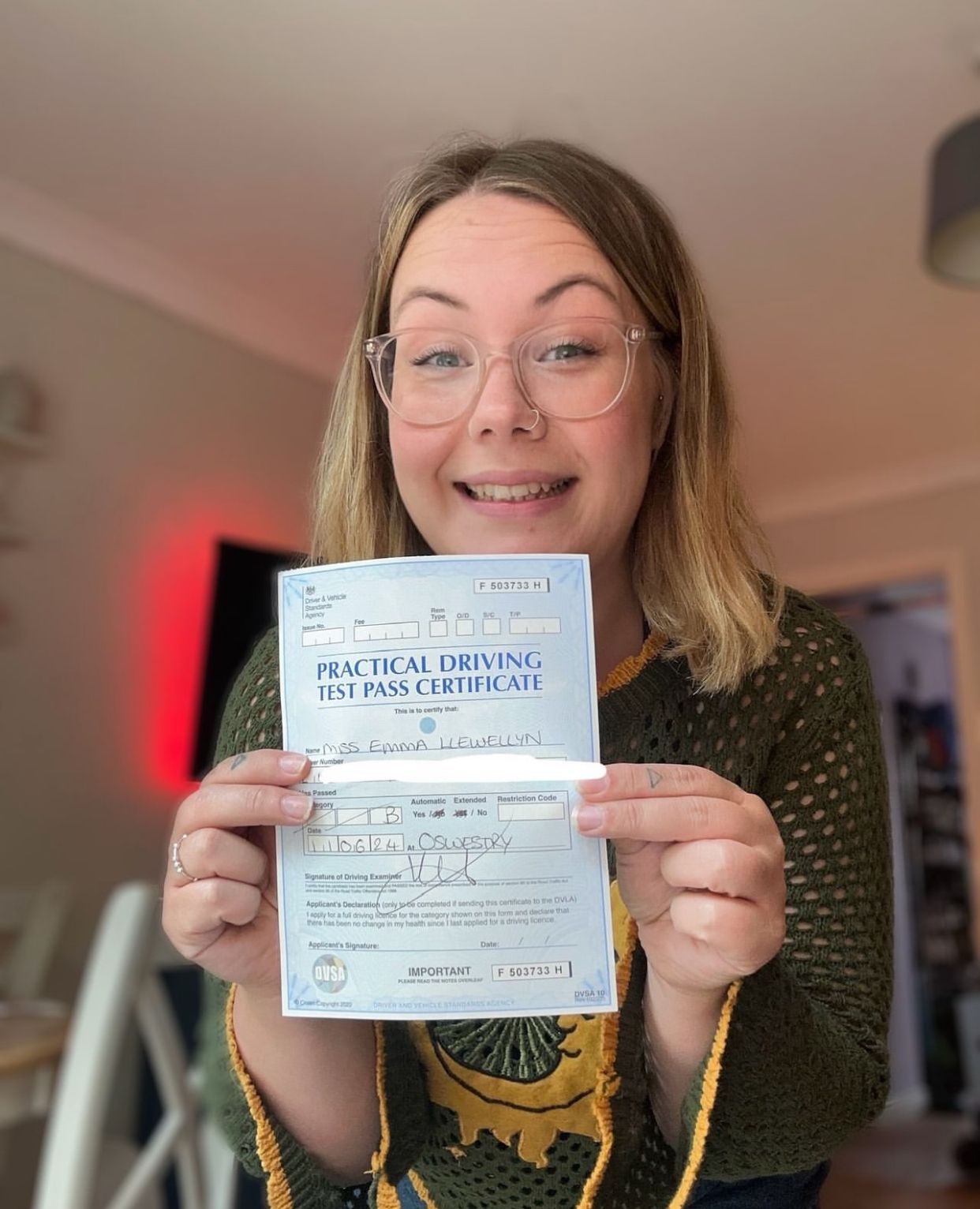
- Effectively passing both tests results in the issuance of a complete driving license.
Receive the Full Driving License
- Once passed, a complete license will be sent by means of post, entitling the holder to drive vehicles within the classification they tested for.
Obligations of License Holders
Owning a British driving license comes with responsibilities that drivers need to comply with. Here are numerous crucial obligations:
- Display L Plates: While driving on a provisionary license, students should display L plates.
- Insurance coverage: All drivers need to have legitimate insurance protection.
- Roadway Rules Compliance: Adherence to speed limitations, traffic signals, and other road policies is necessary.
- Renewal and Updates: Keeping personal details upgraded on the license, in addition to renewing it upon expiration.
Typical Issues and Questions
Browsing the driving license landscape can result in numerous concerns. Here are some often asked concerns (FAQs):
1. What should I do if I lose my driving license?
If lost, drivers ought to report it to the DVLA (Driver and Vehicle Licensing Agency) and make an application for a replacement either online or through the post. There is a fee for the replacement.
2. Can I drive with an abroad driving license in the UK?
Visitors can use an abroad driving license for as much as 12 months. After this period, they would need to either apply for a UK license or obtain an International Driving Permit.
3. How do I renew my driving license?
Drivers can restore their licenses online or by post. The process will require recognition, proof of residency, and a cost. Renewals can be done up to 90 days before the expiration date.
4. What if I fail my driving test?
Stopping working the driving test is typical. Joshua Clark can reapply to take the test once again. There's no limit to how numerous times one can retake the practical test, but the theory test need to be passed before each practical retake.
5. Are there charges for driving without a legitimate license?
Driving without a legitimate license in the UK can cause major repercussions, including penalties, fines, and legal action. It may also affect driving insurance.
The British driving license system is vital in helping with safe and accountable driving. By comprehending the various types of licenses, the application procedure, and the obligations related to holding a license, individuals can browse the system better. Whether one aims to drive for individual usage or as part of their occupation, sticking to the legal framework is necessary for all roadway users. With the right preparation and knowledge, getting a British driving license can be a simple process, leading the way for self-reliance on the roadways.